Prototype vs Pre-Series vs Production is not a theoretical choice. It changes how parts are built, what the process can absorb, and how the finished work performs in production. This guide focuses on where each option fits best.
The focus stays on the work itself, the production path, and what helps the project move cleanly from initial review into release.
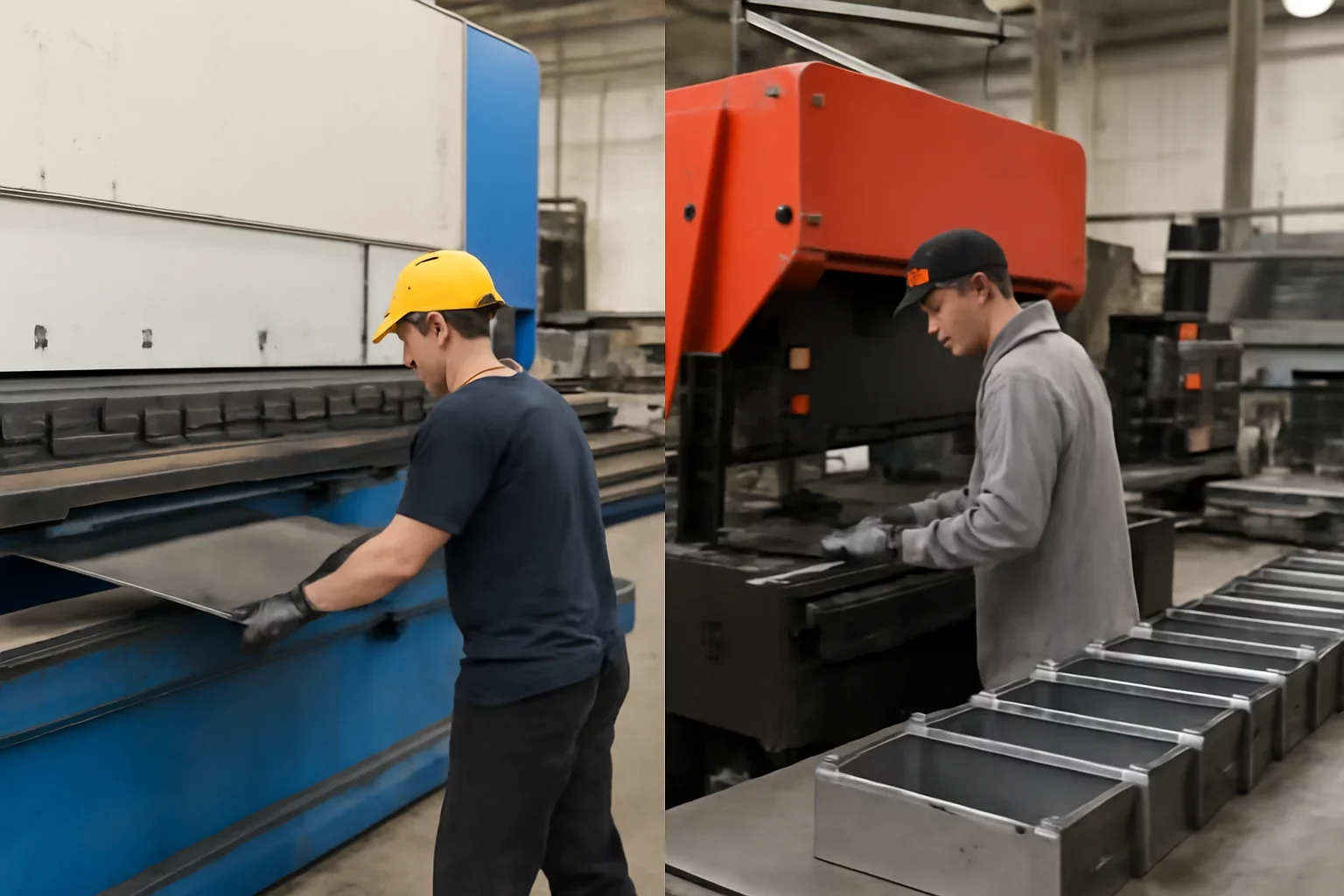
Production stage comparison matters when the customer is trying to connect a commercial need to the right manufacturing decision. TFCM keeps the focus on what has to happen in the real project, not just what sounds good in a generic capability list.
This means looking at fabrication sequence, quality expectations, supplier complexity, and delivery context together so the next move is easier to make.
When it helps, keep moving into the capabilities overview, the solution pages, the support pages, or request a quote.

The manufacturing route has to make sense for the part, the program, and the way the finished work will be used.
Quality expectations, sequence, and delivery logic need to stay visible instead of being left to assumption.
The partner has to stay useful after the quote, not only at the point of enquiry.
Use this table to frame the conversation before you move into drawings, quantities, or a quote discussion.
| Decision Area | Option A | Option B |
|---|---|---|
| Best suited to | Learning and design validation | Stabilization and repeat supply |
| Common decision point | What still needs to be learned? | What now needs to stay stable? |
| Typical next question | What uncertainty is still acceptable? | What has to hold up at scale? |
Look at material, geometry, finish, production stage, and any downstream requirements.
Make sure the choice still works once forming, welding, finishing, assembly, or delivery enter the picture.
When the decision affects cost, quality, or speed, review it inside the full RFQ instead of in isolation.
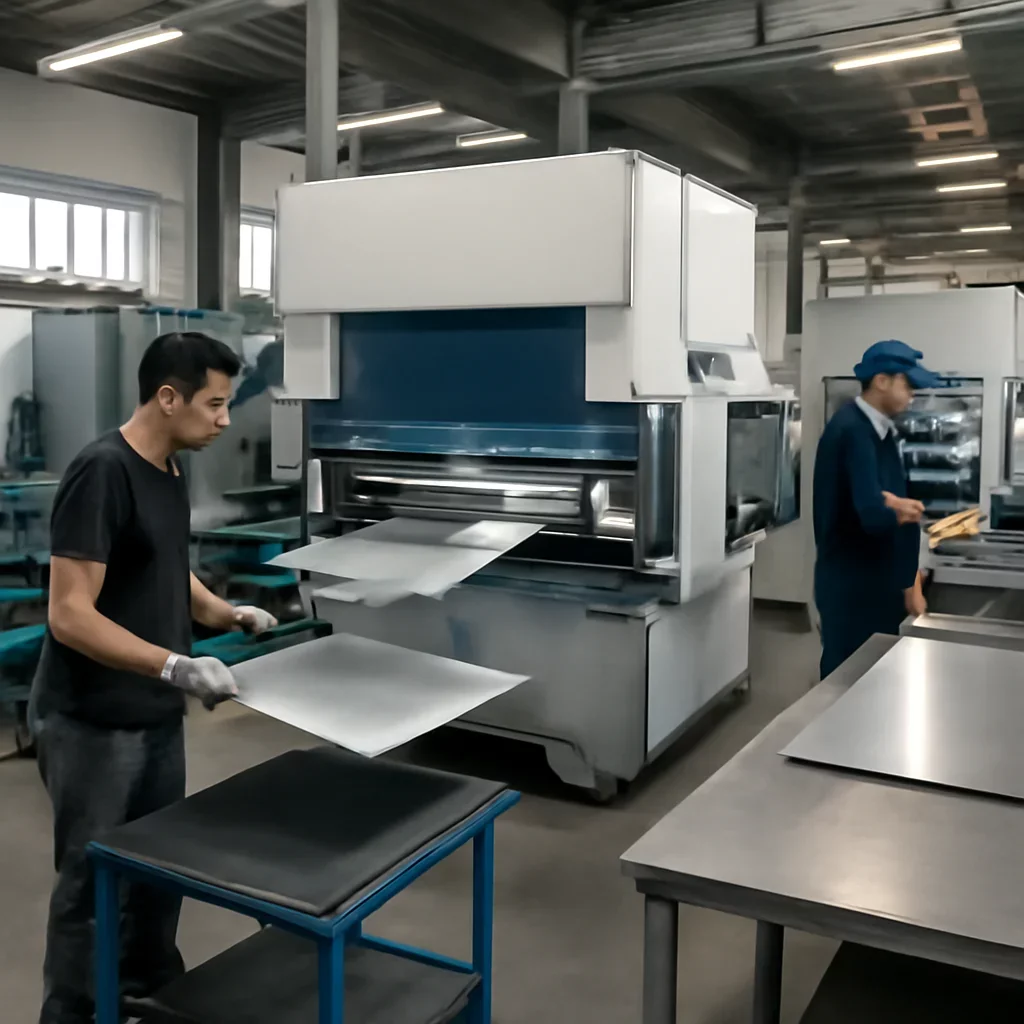
Once the page has helped you frame the issue, the best next step is usually to connect it to drawings, quantities, timing, and the way the parts or assemblies need to be supplied. That is where a general interest becomes a workable project discussion.
You can move into the quote request page, use the contact page, or continue into related pages that narrow the technical or operational fit.
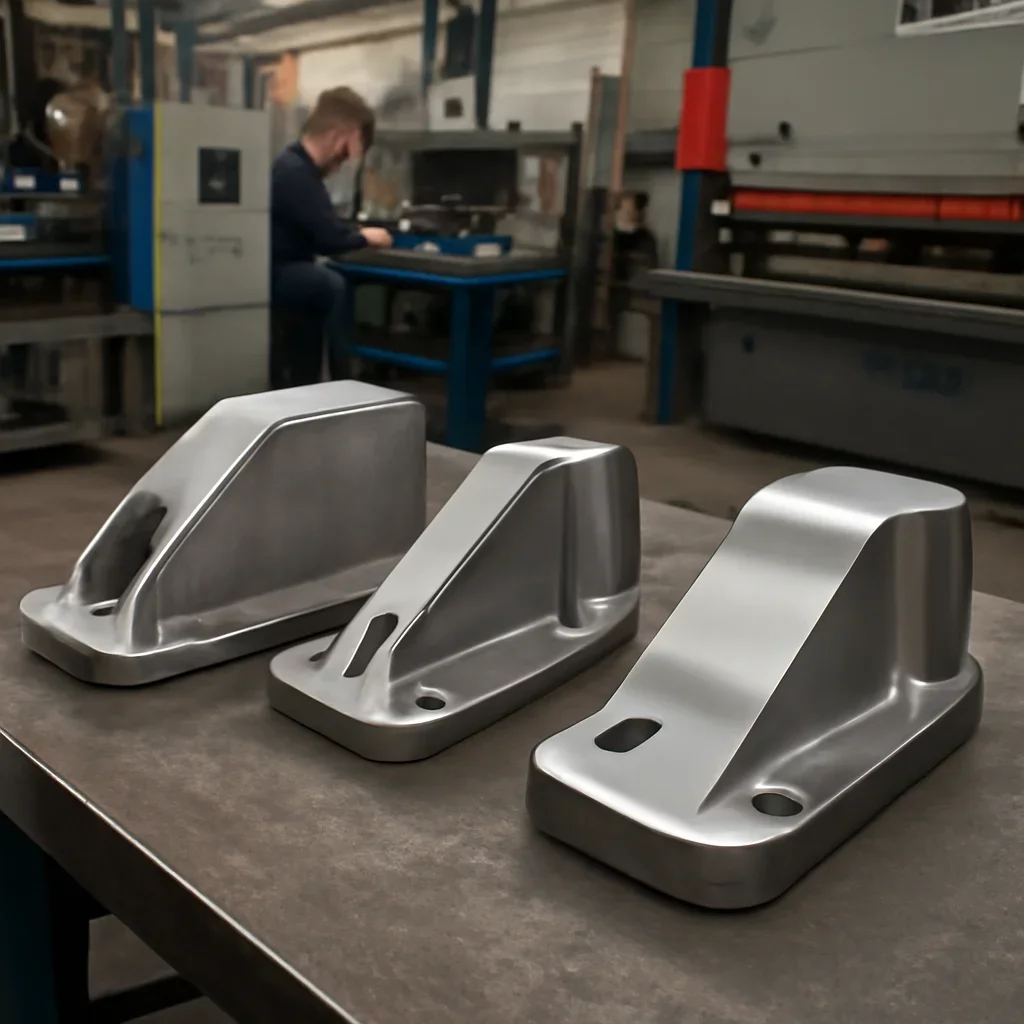
These pages are usually the most helpful next stop from here.
It is usually most useful when the project needs more than a generic process-only answer and the next manufacturing step still needs to stay visible.
Yes. The work can sit inside a broader route that includes other fabrication steps, finishing, assembly, kitting, or delivery support.
Share the drawings, quantities, material, finish requirements, and any timing or assembly context so the review can start with practical detail.